Engineering-backed shoreline and bank stabilization across the Florida Panhandle — stopping erosion before it destroys your pond, property, or waterway.
Shoreline erosion is one of the most damaging — and most preventable — threats to pond and lake health in Northwest Florida. Unstabilized banks collapse into the water, filling the pond with sediment, reducing depth, degrading water quality, and shrinking your usable property. Left unaddressed, erosion accelerates over time and the cost to repair it grows significantly.
Panhandle Pond and Lake Services provides comprehensive erosion control and shoreline stabilization solutions using proven engineering methods tailored to Florida's coastal and inland waterway conditions. From riprap installation and native plantings to more complex engineered solutions for severely degraded banks, we assess the situation and implement the right fix — built to last.
Our team works alongside environmental engineering partners when project complexity requires it, ensuring your solution meets all applicable Florida DEP and Water Management District requirements.
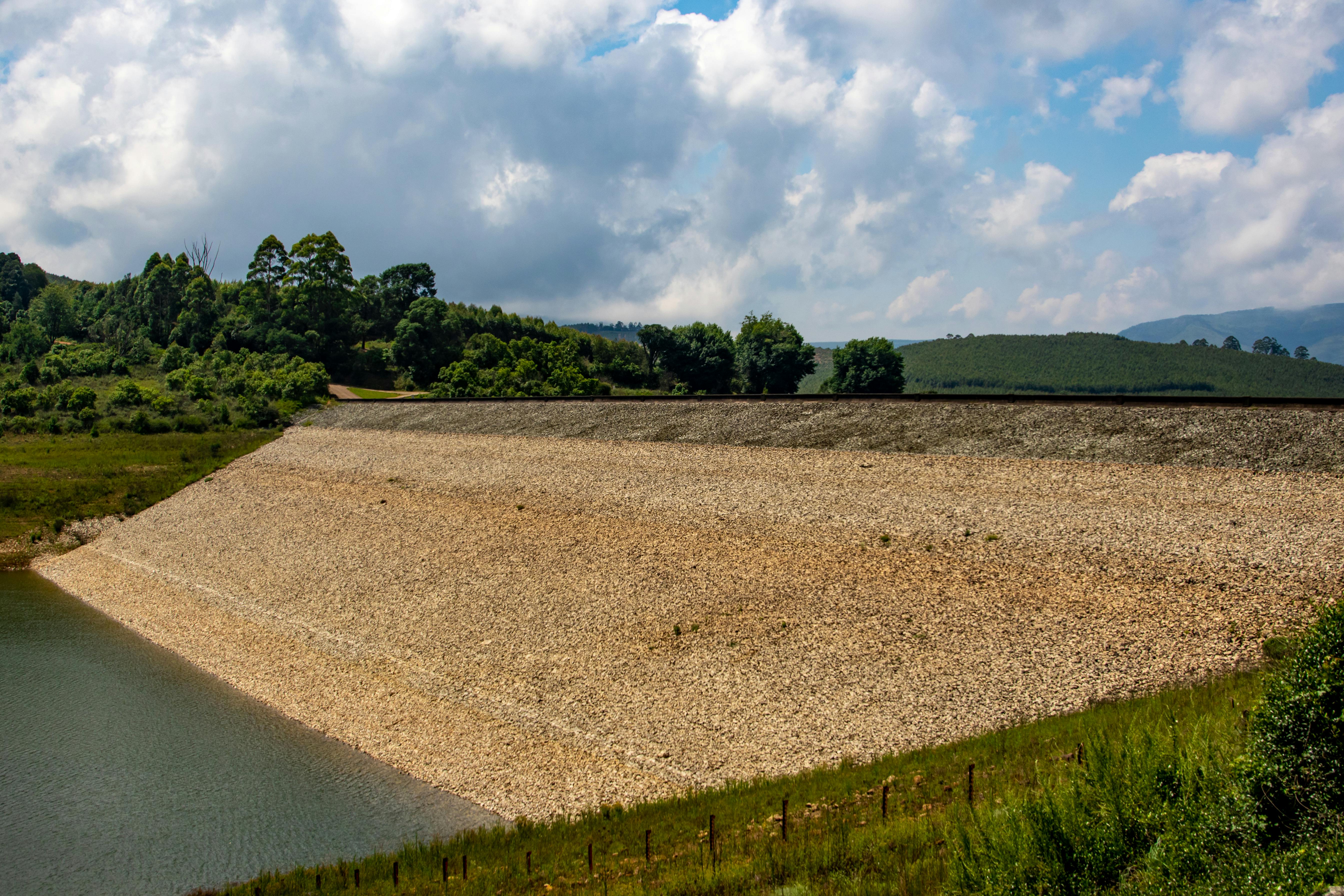
Every shoreline is different. We select the approach based on wave energy, bank height, soil type, access, and your long-term goals for the water body.
Riprap — layers of angular rock placed along the waterline — is one of the most durable and effective erosion control methods available. It absorbs wave energy and prevents soil loss at the bank's most vulnerable point.
Native shoreline plants like cordgrass, pickerelweed, and native rushes establish deep root systems that bind the bank and naturally absorb wave energy — a cost-effective solution for moderate erosion conditions.
Erosion control blankets and geotextile fabrics stabilize disturbed soil while vegetation establishes — protecting against heavy rain events and stormwater runoff that often cause the most immediate damage.
Severely eroded or undercut banks sometimes need to be reshaped before stabilization work can begin. We regrade slopes to a stable angle, then apply the appropriate stabilization method on top.
Erosion often progresses gradually — these are the warning signs that it's time to address your bank before the problem becomes significantly more expensive to fix.
The bank edge is visibly closer to structures, walkways, or fencing than it was a few years ago. Your property is actively being lost to the water.
The soil beneath the bank surface has been washed out, creating an overhang. These areas are structurally unstable and can collapse suddenly — creating a hazard.
If your pond turns brown and murky after every rain event, soil is washing directly into the water — accelerating sediment buildup and reducing water quality.
Bare or sparse shoreline vegetation — with no root structure holding the bank — is highly vulnerable to erosion from wave action, foot traffic, and rainfall.
Licensed herbicide application targeting invasive species at the root.
Learn More →Organic muck extraction, storm debris removal, and waterway cleanup.
Learn More →Native plant restoration, permitting guidance, and engineering support.
Learn More →Design, installation, and maintenance of fountain and aeration systems.
Learn More →